


Conference theme and tracks
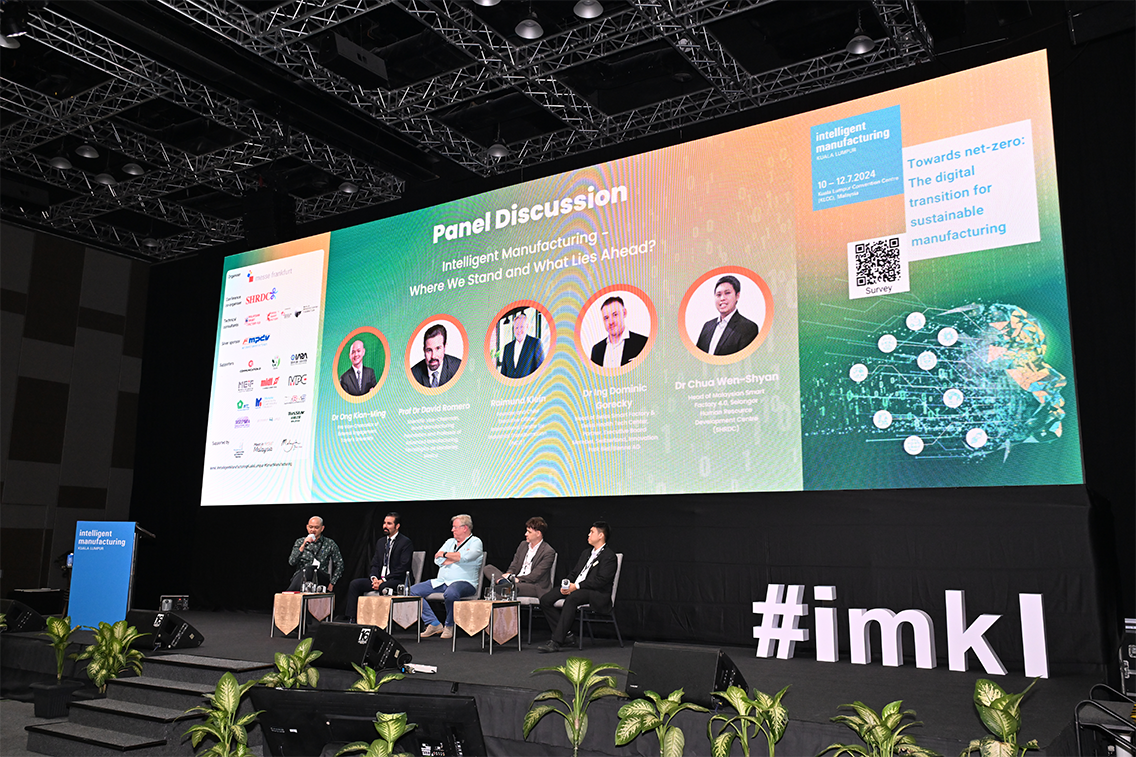
The theme of IMKL2026 is "Beyond automation: your roadmap for human-centric digital transformation".
Under this theme, the conference programme is structured into four core tracks:
1. Future of Manufacturing
2. Global trends in manufacturing digitalisation
3. From vision to value: Realising digitalisation
4. Overcoming obstacles – pathways to your digitalisation journey
IMKL 2026 Conference agenda
Day 1 (13 May 2026) AM: Future of Manufacturing
| 09:15 - 09:30 | Opening gimmick by Technical Consultants and Mr Robot Kick off IMKL 2026 with fresh insights, lively conversation—and a surprise you won’t want to miss. Breaking away from traditional formats, our conference advisors will open the event with a dynamic talk show that sets the tone for the two‑day journey. Together, they will share perspectives on the theme “Beyond Automation: Your Roadmap for Human‑Centric Digital Transformation,” creating a lively and memorable start that sparks curiosity and excitement for what lies ahead. |
|
| 09:30 - 10:00 | Keynote: This keynote traces the milestones of smart factory development: from modular “LEGO brick” interoperability and digital twins to the rise of service-based communication standards. Looking ahead, Prof. Zuehlke explores how AI and generative AI will orchestrate supply chains and adaptive production in real time, while cybersecurity and human responsibility remain decisive. The session underscores the importance of equipping both young and experienced workers with interdisciplinary skills to thrive in a dynamic, IT-driven manufacturing world. |
Prof. Dr. Dr. h.c. Detlef Zuehlke ret. Professor for Innovative Factory Systems, German Research Center for Artificial Intelligence (DFKI), and Honorary Executive Board Member, smartfactory-KL e.V. Kaiserslautern/Germany |
| 10:00 – 10:25 | Declaring Industry 5.0: Unlocking the Power of Human-Centric Digital Transformation This session declares Industry 5.0 as the new paradigm shaping global manufacturing, where the focus moves beyond automation to human‑machine collaboration, sustainability, and resilience. It will explore how this transformation is already influencing industries worldwide, with particular attention to ASEAN and Malaysia’s evolving role in the global value chain. By framing the opportunities and challenges of this new era, the session sets the stage for the following panel discussion on whether ASEAN manufacturers are truly ready to embrace Industry 5.0. |
Dr Ing Dominic Gorecky Head of Swiss Smart Factory & Swiss Health Tech Center, Partner, Executive Board Member, Switzerland, Innovation Park Biel/Bienne AG |
| Coffee Break | ||
| 10:55 - 11:10 | Benchmarking ASEAN’s Digital Readiness: Insights from Real-life Assessments This session presents fresh regional data on ASEAN manufacturers’ digital maturity, highlighting Malaysia’s position within the broader landscape. The insights provide a clear baseline for understanding where industry players stand today and set the stage for the panel discussion on Industry 5.0 readiness. |
Dr Jesmond Hong Chief Operating Officer, International Centre for Industrial Transformation (INCIT) |
11:10 - 11:55
|
Panel discussion:
|
Moderator: Dr. Chua Wen-shyan Panel Speaker: Dr Jesmond Hong, Jovern Lim, Sakthivel Narayanasamy, Vincent Chong Wai Seng |
Day 1 (13 May 2026) PM: Global trends in manufacturing digitalisation
| 11:55 – 12:20 | ROI in Digitalisation: Why Manufacturers Invest and How Returns are Realised When manufacturers embark on Industry 4.0, understanding both the why and the how is critical. This case study highlights a successful digitalisation journey, sharing the rationale behind the investment, the implementation steps taken, and the timeline required to achieve measurable returns. It addresses common misconceptions that ROI is immediate, showing instead how gains are unlocked through continuous improvement, integration, and workforce alignment. Delegates will gain practical insights into setting realistic expectations, planning the right activities, and ensuring digitalisation delivers sustainable value. |
Cowen Hoo Kok Hon General Manager, Daikin Malaysia |
| 12:20 – 12:40 | Key Enabling Technologies (KETs) for the Future of Manufacturing: Roadmaps & Platforms Presented by the World Manufacturing Foundation (WMF), this session highlights the frontier technologies driving the next wave of industrial transformation. From advanced materials and additive manufacturing to AI, digital twins, robotics, and the Industrial Internet of Things, these Key Enabling Technologies (KETs) are reshaping productivity, resilience, and sustainability across factories and supply chains. Drawing on the latest global roadmaps and platforms, the 2025 World Manufacturing Report offers strategic insights into adoption pathways, skills development, and policy frameworks. Delegates will gain a clear view of how embracing KETs can strengthen competitiveness and prepare industries to navigate disruptions while building smarter, more sustainable ecosystems. |
Prof Dr David Romero Scientific Vice-Chairman, World Manufacturing Foundation and Professor of Advanced Manufacturing,Tecnológico de Monterrey, Mexico |
| Lunch | ||
| 14:00 – 14:20 | From Reactive to Proactive: AI Agents Shaping The Future of Manufacturing As manufacturing faces increasing complexity and volatility, AI agents are emerging as powerful enablers of predictive decision‑making, adaptive production, and resilient supply chains. This session explores how AI agents move factories from reactive problem‑solving to proactive intelligence—anticipating disruptions, optimizing processes in real time, and strengthening competitiveness. Delegates will gain insights into how these digital actors are reshaping the future of manufacturing and accelerating the global digitalisation journey. |
Dr Chua Wen-Shyan Head of Malaysian Smart Factory 4.0, Selangor Human Resource Development Centre (SHRDC) |
| 14:20 - 14:40 | Intelligent Robotics: From Enabling Technologies to Human‑Centric Machines Robotics is where enabling technologies meet the factory floor. This session explores how advances in AI, digital twins, and predictive analytics are converging to create intelligent, adaptive robots that extend human capabilities and reshape manufacturing ecosystems. By bridging frontier technologies with real‑world applications, the discussion sets the stage for deeper dives into polyfunctional robotics and humanoid robot development—highlighting how these innovations will redefine productivity, collaboration, and sustainability in global manufacturing. |
Laurent Maillefer Vice President - Robotics & Discrete Automation - Malaysia, ABB Malaysia Sdn Bhd |
| 14:40 – 15:25 | Panel discussion: Manufacturing ecosystems worldwide are evolving to balance competitiveness with sustainability, offering valuable lessons for ASEAN. This panel brings together global and regional perspectives to share successes and failures in building sustainable factories and supply chains, highlighting the barriers that persist and the opportunities ahead. By examining real‑world case studies, delegates will gain practical insights into how ASEAN manufacturers can adapt global best practices to local realities—laying the groundwork for deeper discussions on digitalisation barriers and pathways to transformation. |
Moderator: Prof Dr David Romero Panelist: Chuck Fung, Prof. Dr. Dr. h.c. Detlef Zuehlke, Laurent Maillefer |
| Coffee Break | ||
| 16:00 – 16:40 | Breakout sessions: Deep dive into common digitalisation barriers: Track 1) Digital skills gap Track 2) ROI assessment to implement digitalisation Track 3) AI applications |
Prof Dr David Romero, Dr Chua Wen-Shyan, Dr Ing Dominic Gorecky |
| 16:40 – 17:00 |
Sharing of findings by individual groups | |
Day 2 (14 May 2026) AM: From vision to value: Realising digitalisation
| 09:15 - 09:35 | Physical AI: The Key to Unlocking Improved Supply Chain Resilience through Human-Robot Collaboration Supply chains today face increasing uncertainty, from labour shortages to global disruptions. Physical AI, enabled by robotics and intelligent systems, offers a new way to strengthen resilience by combining the strengths of humans and machines. This session will explore how human-robot collaboration can improve flexibility, productivity, and responsiveness across manufacturing and logistics environments. By sharing practical perspectives from the technology ecosystem, the discussion highlights how intelligent robotics can move beyond automation to support more adaptive and resilient industrial operations. |
Summer Toh Senior Director, Regional Marketing, Smart Home & Building, Infineon Technologies Asia Pacific |
| 09:35 - 09:55 | Industrial 5G: Turning digitalisation into measurable value Industrial 5G is moving from pilots to production across Malaysia and ASEAN. This session focuses on how manufacturers can translate 5G into measurable value—improving real‑time visibility, automation, and responsiveness through private networks and edge‑enabled applications. Drawing on regional best practices and Malaysia’s expanding portfolio of use cases, speakers will share concrete deployment lessons, KPIs, and pathways to scale—turning connectivity into competitive advantage |
Claire Featherstone Chief Commercial Officer, Enfrasys Network Sdn Bhd |
| 09:55 - 10:25 | AI-Driven Production Optimisation: Accelerating the Journey to Zero Waste Factories This session explores how AI-driven Production Optimisation can accelerate the transition toward zero‑waste manufacturing by 2030. By unifying machine data, process conditions, and energy usage into real‑time analytics, manufacturers can eliminate material waste, reduce rejects, and improve efficiency while delivering measurable ESG outcomes. Drawing on use cases from electronics, food processing, and high‑mix environments, the paper demonstrates how digitalisation translates vision into tangible value—boosting competitiveness and sustainability for Malaysia’s manufacturing sector. |
Sakthivel Narayanasamy Chairman, Quantum Computing |
| Coffee Break | ||
| 10:55 - 11:25 | Beyond Coding: Using OpenVINO™ and Generative AI to Close the Digital Skills Gap in ASEAN Factories As ASEAN manufacturers transition toward Industry 5.0, the "digital skills gap" remains a primary barrier to scaling intelligent systems. This session explores how the OpenVINO™ platform is evolving from traditional computer vision toward Embodied AI, enabling a more intuitive, human-centric factory floor. By leveraging on-device Generative AI and Vision-Language-Action (VLA) models, manufacturers can move away from complex manual coding toward natural language interaction.We will share technical insights into how these optimised edge AI agents empower the existing workforce to manage autonomous robotics and real-time process adjustments. Attendees will gain a neutral, knowledge-based perspective on how localised intelligence reduces technical friction, ensuring that digital transformation in the region remains accessible, sustainable, and centered on human-machine collaboration. |
Kwek Ser Wee Director, Business & Market Development APJ, Industrial & Robotics Division, Edge Computing Group, Intel Malaysia |
| 11:25 - 11:55 | Scaling AI in Manufacturing: Lessons from Pilots to Plant‑Wide Deployment Manufacturers across Malaysia and ASEAN are experimenting with AI, but many remain stuck at the pilot stage. This session explores how to scale AI from isolated use cases to plant‑wide deployment, addressing integration with legacy systems, workforce readiness, and measurable ROI. Delegates will hear practical lessons from manufacturers and technology partners who have successfully embedded AI into daily operations, gaining insights into how to move beyond experimentation and achieve sustainable impact. |
Omar Abouelmagd IT Lead Consultant for Smart Manufacturing Solutions, Lenovo Malaysia |
11:55 - 12:40
|
Panel Discussion Cobots are gaining traction in Malaysia and ASEAN as manufacturers seek practical automation solutions, while humanoid robots are advancing rapidly in AI and complex manipulation. One year after IMKL 2025’s debate, this panel revisits the question: which is the best fit for manufacturing today—and are we ready for humanoids yet? Moderated by Dominic, the discussion will assess the progress made in the past 12 months, compare real‑world cobot deployments with emerging humanoid use cases and explore why certain applications may require supports from robots. Delegates will gain a clear view of current realities, future pathways, and the readiness of ASEAN manufacturers to embrace the next wave of robotics. |
Moerator: |
| Lunch | ||
Day 2 (14 May 2026) PM: Overcoming obstacles – Pathways to your digitalisation journey
| 14:00 - 14:30 | Breaking Barriers with Multifunctional Robotics: From Single-Task to Adaptive Systems Manufacturers often struggle with integrating robotics into diverse, fast-changing production environments. This session explores how multifunctional robots—designed to adapt across multiple roles—can overcome these hurdles, reduce downtime, and maximise ROI. Moving beyond single-task automation, adaptive systems enable faster changeovers, greater flexibility, and resilience in the face of disruption. We will also highlight how these innovations support sustainability goals and foster stronger collaboration between humans and machines, offering delegates practical insights into building scalable automation pathways aligned with Industry 5.0. |
Edwin Yap |
| 14:30 - 15:00 | From Data to Dominance: The Rise of Agentic Manufacturing Data collection alone no longer guarantees a competitive edge; the future belongs to those who can act on it in real-time. This session explores the evolution from passive monitoring to Agentic Manufacturing, where AI agents actively reason, plan, and execute shop-floor tasks. This session aims to share how to integrate these autonomous workflows into existing systems to solve critical production bottlenecks. By moving beyond dashboards toward "self-orchestration," manufacturers can eliminate pilot purgatory and achieve true operational dominance. Attendees will gain a practical roadmap for leveraging intelligent agents to optimize complex supply chains and secure a leading position in the Industry 5.0 landscape. |
Wong Kah Joon, Director of Implementation Services, DSC Consulting |
| 15:00 - 15:30 | Data-Driven Decisions: The Backbone of the Human-Centric Smart Factory In the race toward total automation, many factories have become 'data rich but insight poor.' This session moves beyond the technical mechanics of Industry 4.0 to explore the 'Human-Centric' evolution of the smart factory. We will discuss how to transform raw automated data streams into a strategic nervous system that empowers decision-makers at every level. By shifting the focus from machine efficiency to value-driven outcomes, we will demonstrate how digital infrastructure can be leveraged to enhance human intuition, bridge the gap between vision and execution, and create a sustainable roadmap for manufacturing excellence. |
Ganesan Periakarruppan, Group Service Line Leader, Strategy3 and Public Affairs, IPSOS Strategy3 |
| Coffee Break | ||
| 16:00 - 16:45 | Panel Discussion To conclude the two‑day program, this panel brings the conversation full circle by returning to the central theme of human‑centric digital transformation. While automation and intelligent technologies are reshaping manufacturing, the true measure of success lies in how they empower people. Panelists will explore practical strategies for ensuring that digitalisation enhances human capability rather than replacing it, from workforce empowerment and skills development to designing systems that prioritize safety, creativity, and collaboration. By reflecting on insights shared across the conference, this closing discussion will highlight how manufacturers can move beyond automation to build resilient, competitive, and human‑centered ecosystems for the future. |
Moderator: Dr Chua Wen-Shyan Panel Speaker: Benedict Lee, Omar Abouelmagd, Vishnu Vevakanandan |
| 17:00 |
Closing Remark | |
*Updated as of 6 Feb 2026. The conference schedule and speakers are subject to change.
Advisory committee



IMKL 2026 Speakers
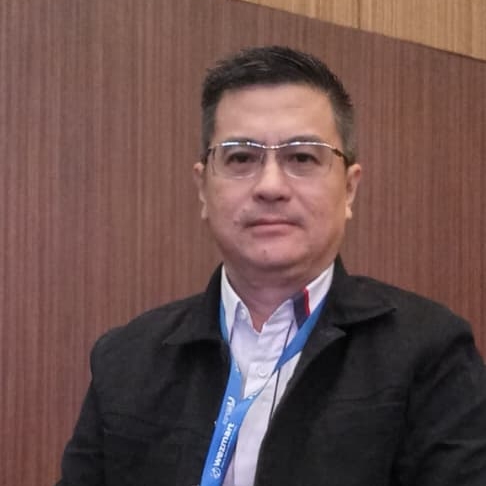
Benedict Lee
Business Transformation Specialist, Hypernix Sdn Bhd

Claire Featherstone
Chief Commercial Officer, Enfrasys Network Sdn Bhd
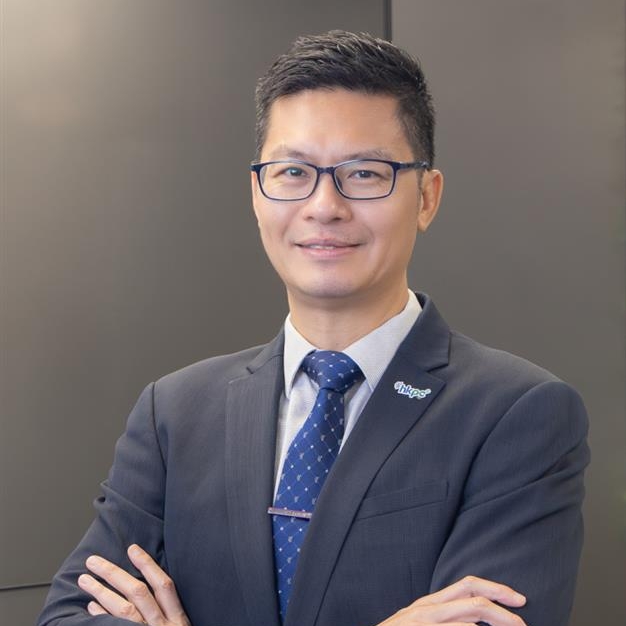
Chuck Fung
General Manager, Robotics and Artificial Intelligence Division, Hong Kong Productivity Council (HKPC)
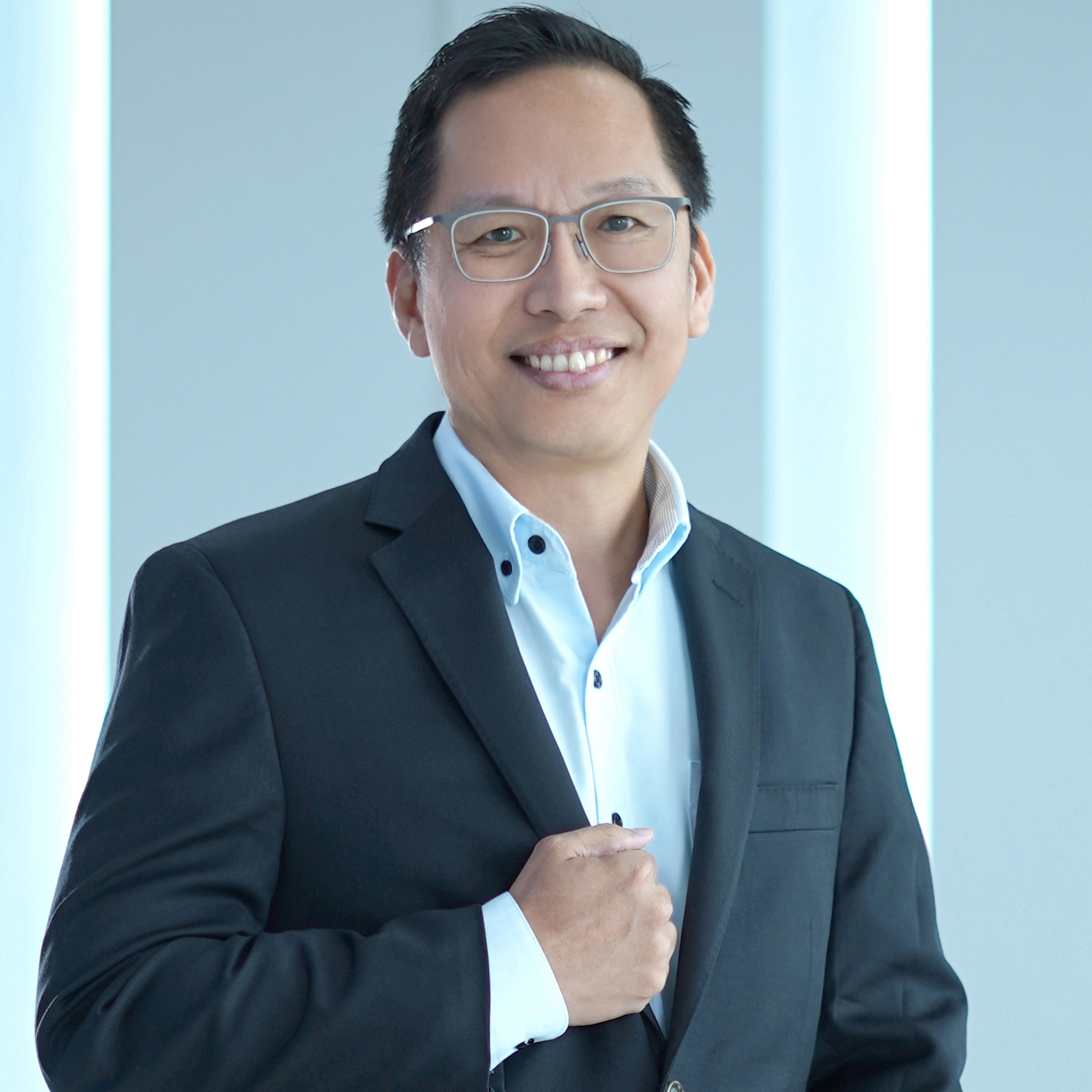
Cowen Hoo Kok Hon
General Manager, Daikin Malaysia
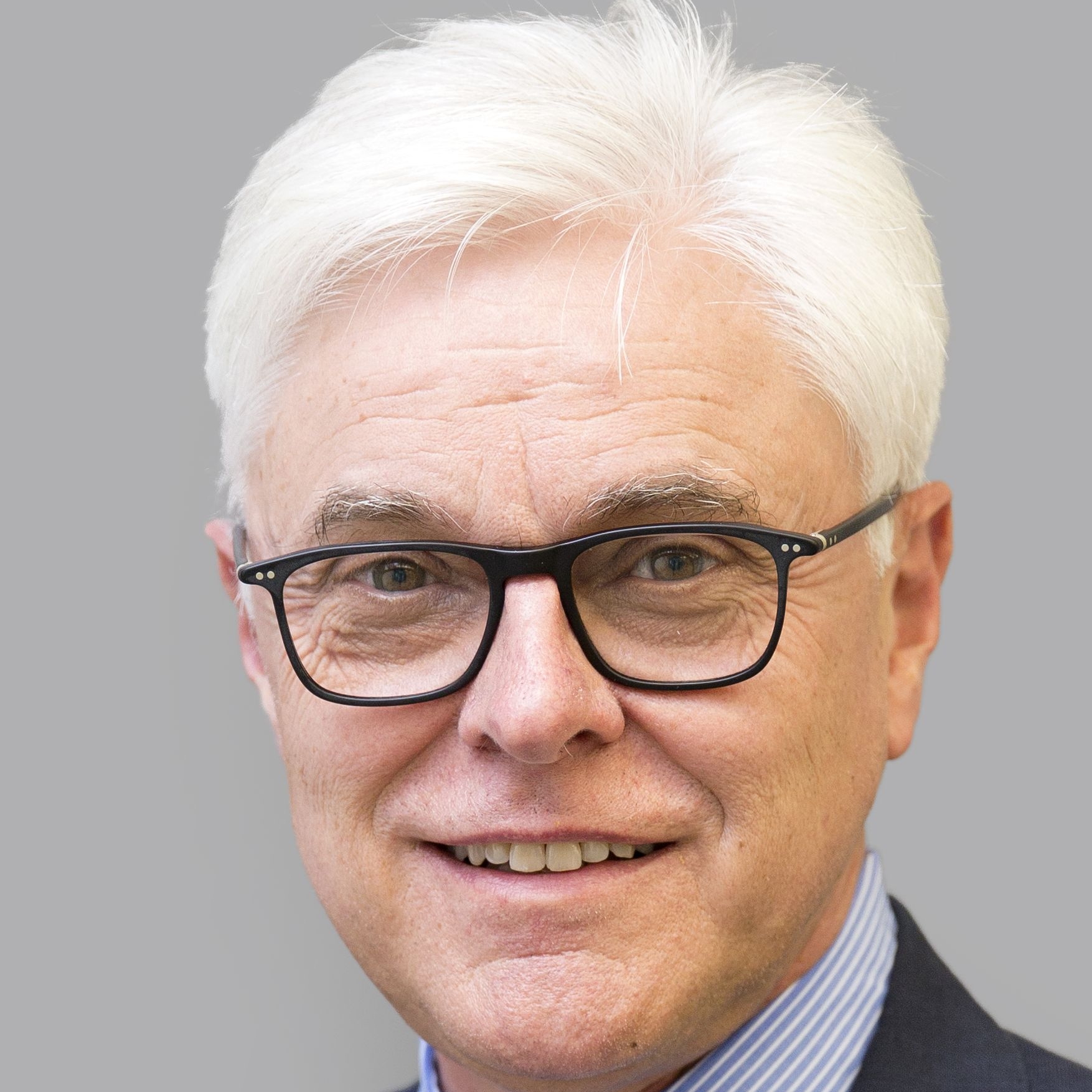
Prof. Dr. Dr. h.c. Detlef Zuehlke
ret. Professor for Innovative Factory Systems, German Research Center for Artificial Intelligence (DFKI), and Honorary Executive Board Member, smartfactory-KL e.V. Kaiserslautern/Germany

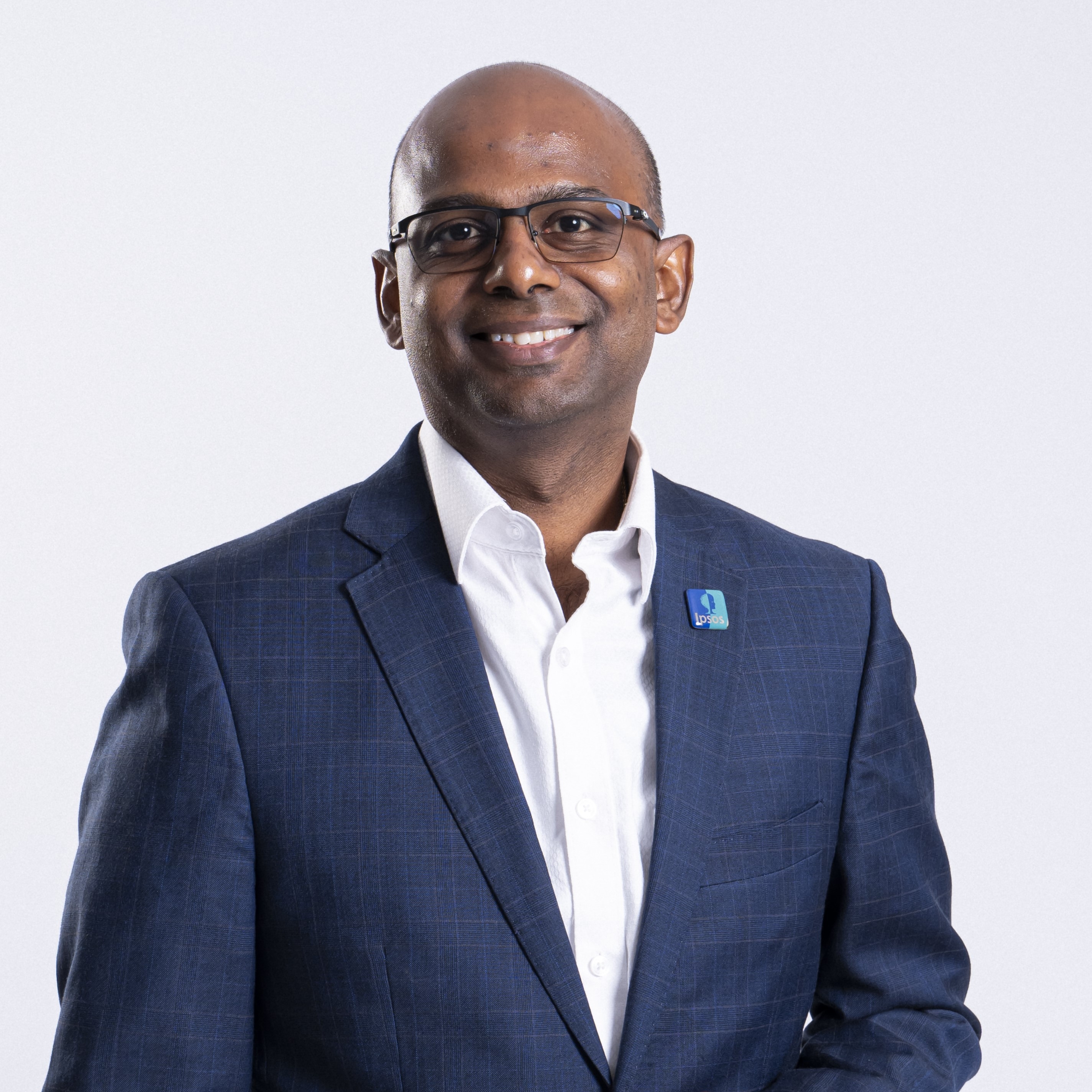
Ganesan Periakarruppa
Group Service Line Leader, Strategy3 and Public Affairs, IPSOS Sdn Bhd
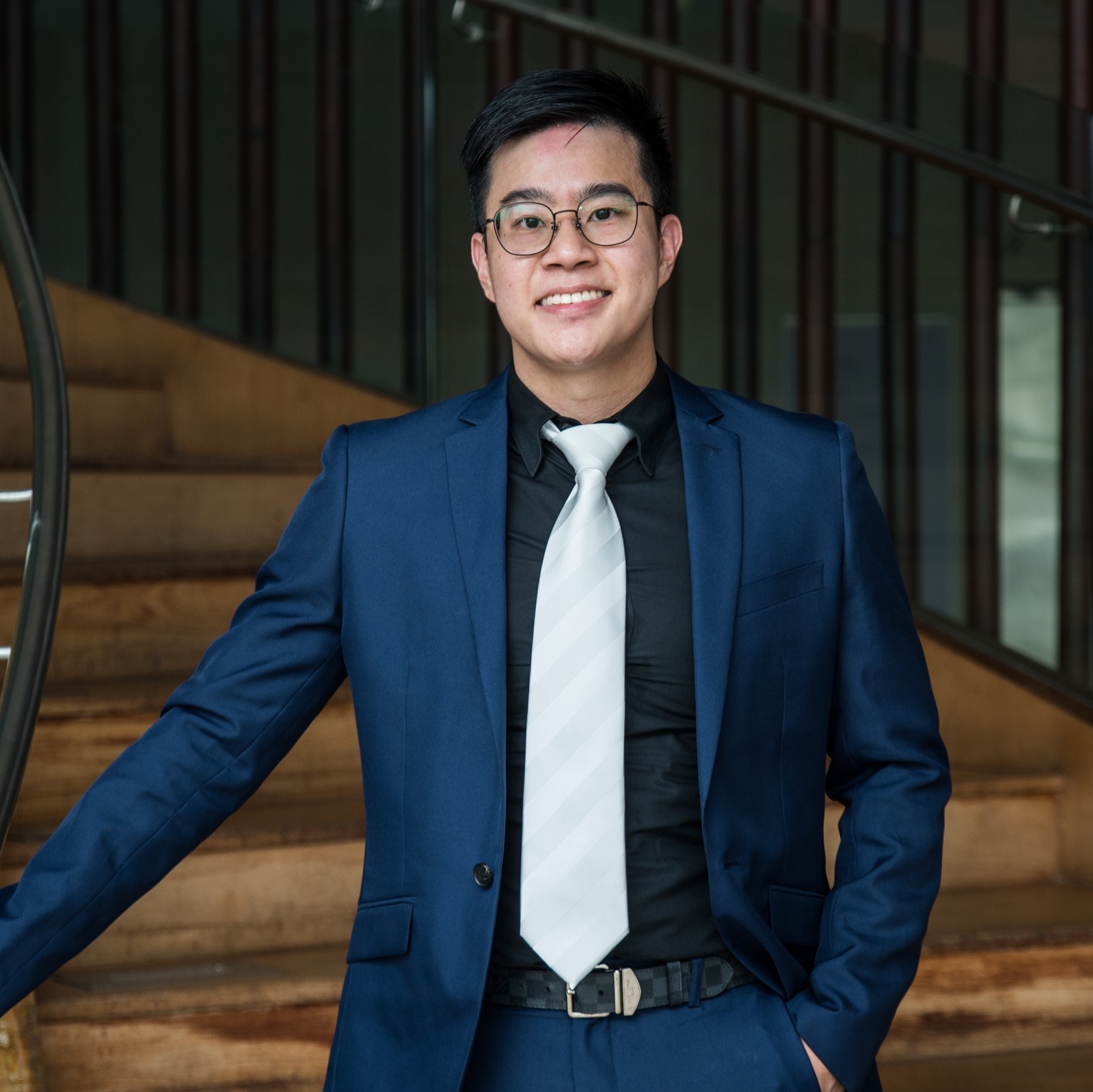
Dr Jesmond Hong
Chief Operating Officer, International Centre for Industrial Transformation (INCIT)
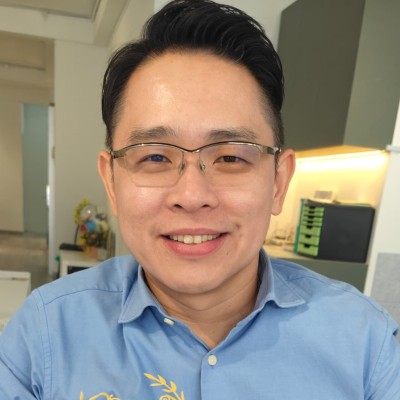
Jovern Lim
Commerical Lead, AMD
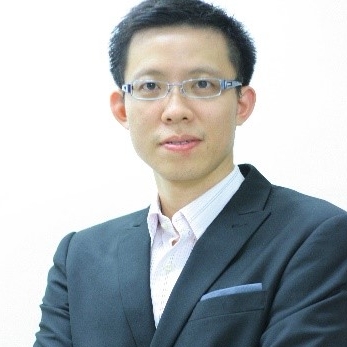
Kwek Ser Wee
Director, Business & Market Development APJ, Industrial & Robotics Division, Edge Computing Group, Intel Malaysia

Laurent Maillefer
Vice President - Robotics & Discrete Automation - Malaysia, ABB Malaysia Sdn Bhd
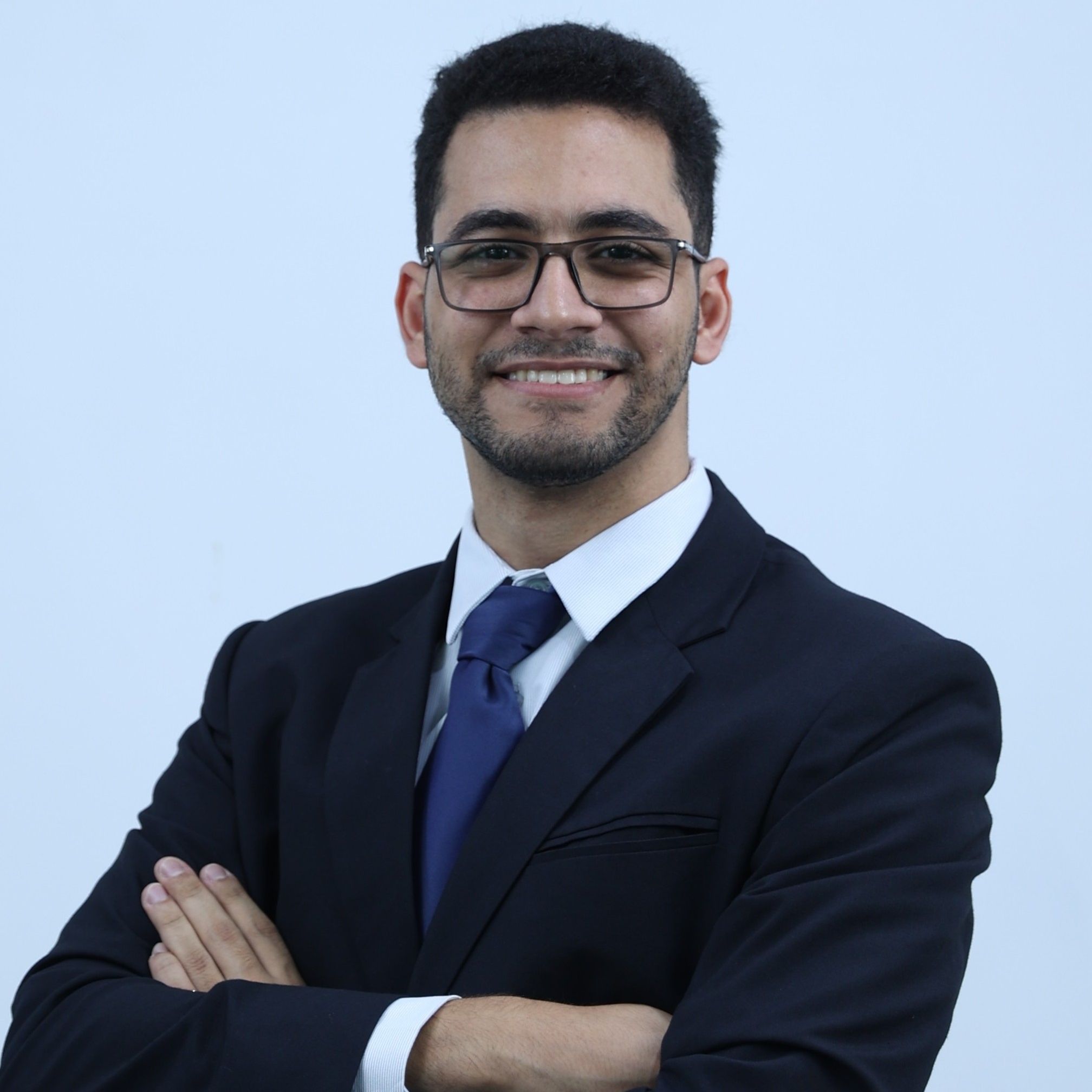
Omar Abouelmagd
IT Lead Consultant for Smart Manufacturing Solutions, Lenovo Malaysia
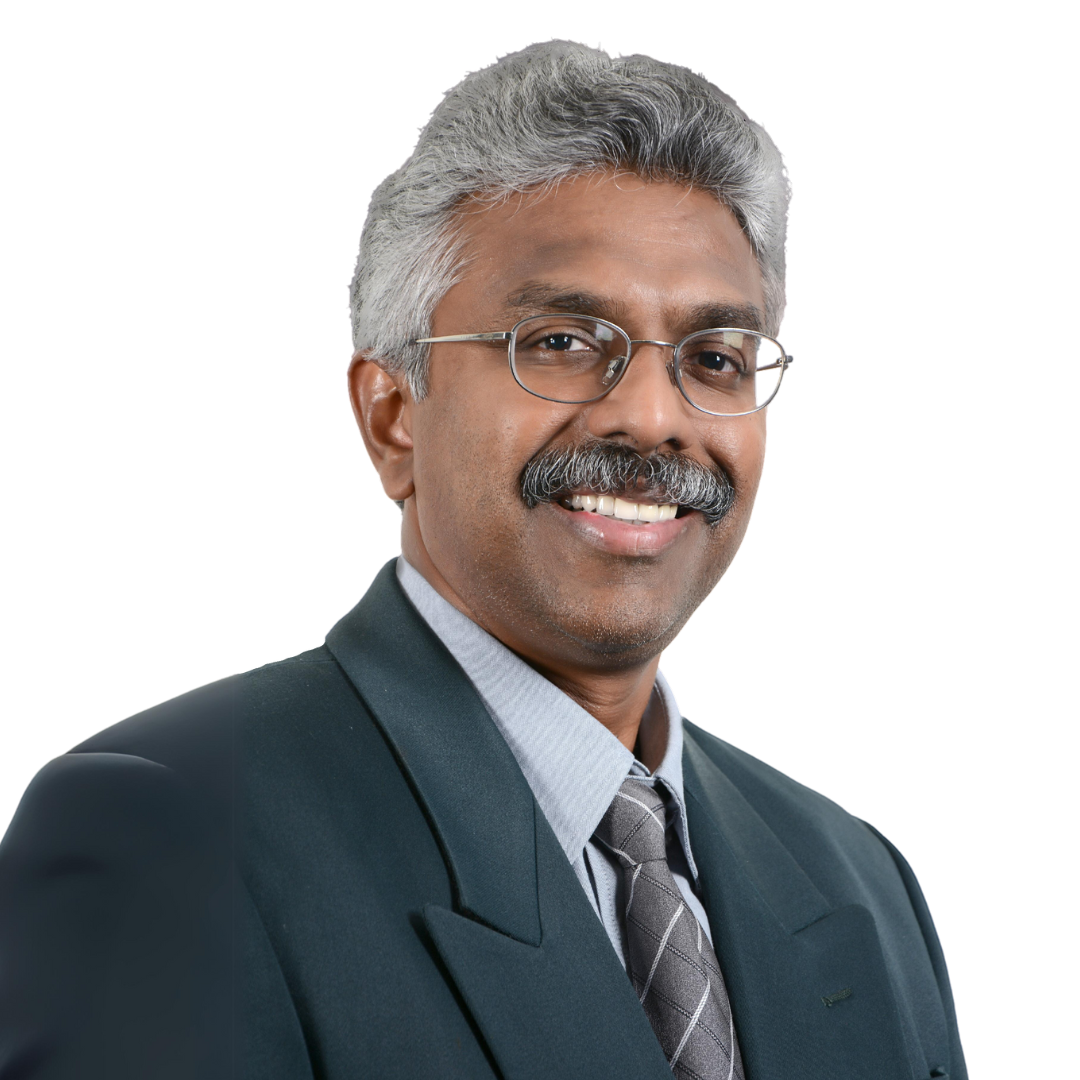

Sam Su Hui Ling
Co-Founder & CEO, Work E Robotics Sdn Bhd

Summer Toh
Senior Director, Regional Marketing, Smart Home & Building, Infineon Technologies Asia Pacific
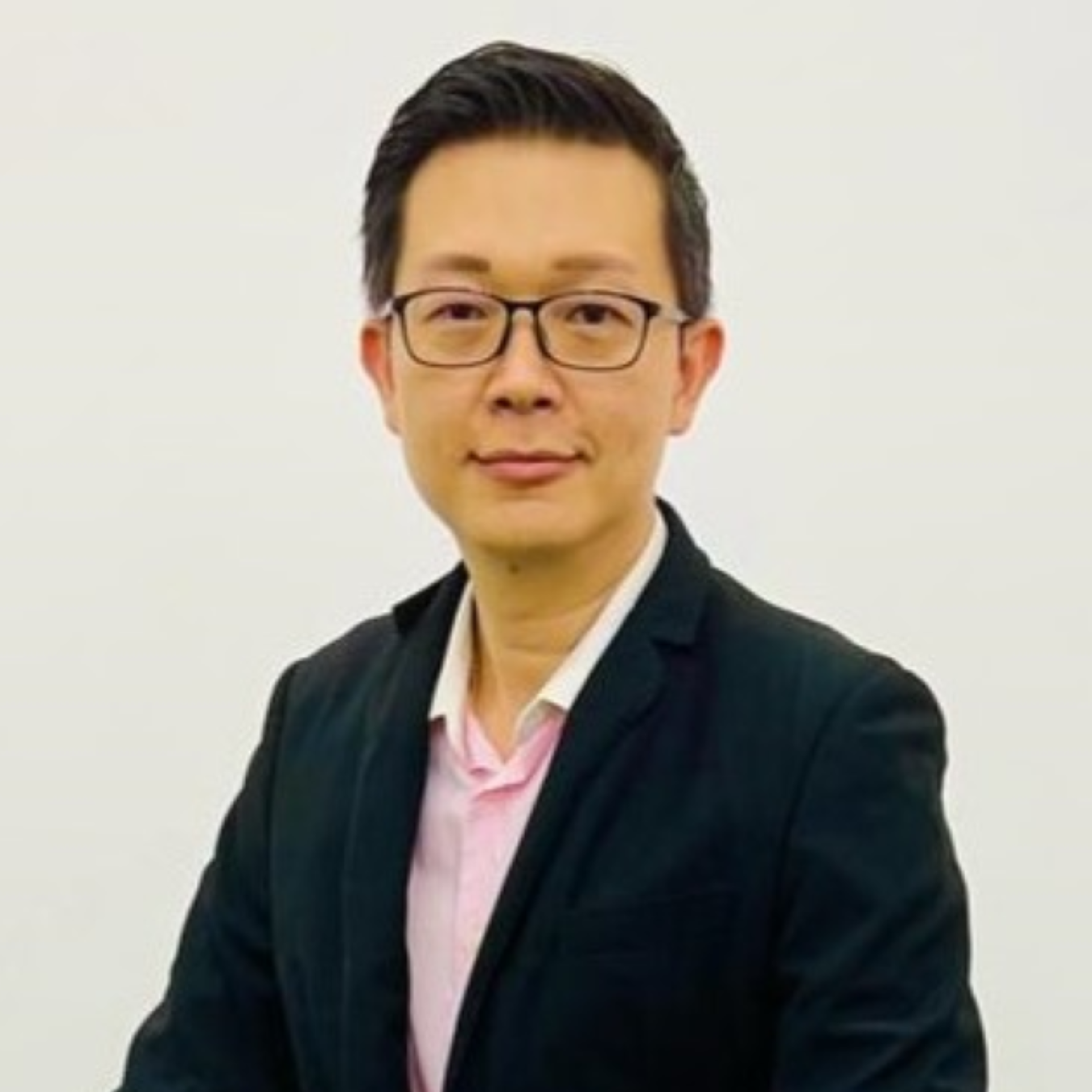
Vincent Chong
Plant Manager, Steelcase Manufacturing Malaysia

Vishnu Vevakanandan
Strategy, Engagement Manager, IPSOS Strategy3

Wong Kah Joon
Director of Implementation Services, DSC Consulting
Past conference agenda
Contact us
If you are interested to become a speaker or sponsor for this event, please feel free to contact:
Ms Jenny Ma
Tel: +852 2238 9914
Email: jenny.ma@hongkong.messefrankfurt.com